
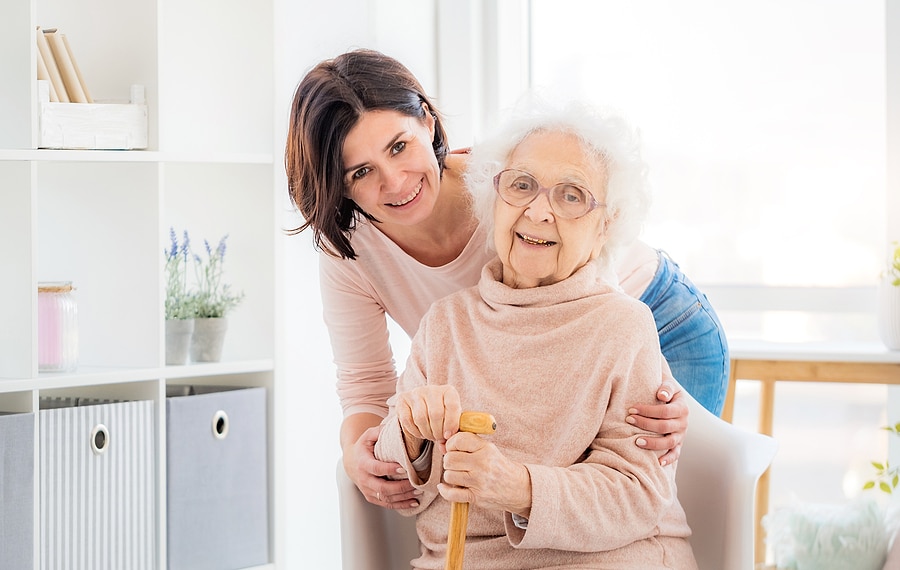
Senior home care can support long-term wellness by helping older adults manage the ordinary activities that shape their health from one day to the next. Medical appointments may address illnesses and changing health conditions, but much of a person’s well-being is influenced by what happens between those visits. Eating regular meals, maintaining personal hygiene, moving safely through the house, enjoying conversation, and following a comfortable routine all matter.
When age-related changes make these activities harder, dependable assistance can help a senior continue living at home with greater comfort and confidence.
Wellness Is Built Through Ordinary Days
Long-term wellness is rarely the result of one major decision. It develops through repeated habits that support the body and mind. A nourishing breakfast, a clean and comfortable living space, a safe trip to the bathroom, and time spent talking with another person may seem like small parts of the day. Together, however, they can influence energy, mood, mobility, and independence.
A change in one area can also affect several others. A senior who feels unsteady may avoid walking to the kitchen. That hesitation can lead to skipped meals, reduced movement, and more time spent alone. Someone who struggles to bathe safely may become embarrassed about their appearance and stop accepting visitors. These patterns can develop gradually, which makes them easy for relatives to miss during brief phone calls or weekend visits.
Reliable support can interrupt those patterns before they become firmly established. By helping with difficult tasks while encouraging continued participation, a caregiver can make everyday life feel more manageable.
Daily Support Can Protect Independence
Families sometimes worry that bringing assistance into the home will cause a parent to lose independence. The opposite is often true. The right support can help older adults keep doing what they are able to do while receiving help with the parts that have become tiring, uncomfortable, or unsafe.
For example, a senior may still enjoy choosing clothes but need help with buttons, shoes, or dressing safely. Another person may want to participate in preparing lunch but have trouble standing long enough to complete the entire meal. Assistance can be adjusted so the individual remains involved rather than becoming a passive observer in their own routine.
A Helping Hand Home Care provides personalized assistance in familiar surroundings, with services that may include meal preparation, medication support, dressing, companionship, and other daily needs. Senior home care can be shaped around the person’s current abilities instead of assuming every older adult needs the same level of help.
Consistent Meals Support Strength and Energy
Preparing food often becomes more difficult before families realize there is a problem. Arthritis can make chopping and opening containers painful. Limited stamina may make standing at the counter exhausting. Memory changes can lead to forgotten meals, while reduced appetite may make cooking for one person feel like too much effort.
Over time, inconsistent eating can leave a senior with less energy for bathing, walking, household activities, and social interaction. The person may appear weaker or less interested in daily life when the underlying problem is that meals have become difficult to manage.
Senior home care assistance can make mealtimes more predictable. Help may include preparing food, setting out a meal, tidying the kitchen, and providing company while the senior eats. Whenever possible, the older adult can continue making choices about what is served and how the meal fits into the day. This preserves a sense of control while reducing the physical burden of preparation.
Personal Care Affects More Than Appearance
Bathing, dressing, grooming, and hygiene are private routines closely connected to dignity. When these tasks become challenging, many seniors are reluctant to admit they need assistance. They may fear embarrassment, a loss of privacy, or pressure to make larger changes in their living arrangements.
Physical limitations can turn routine personal care into a source of risk. Stepping into a shower, bending to put on socks, reaching overhead to wash hair, or standing at a sink may require more balance and stamina than a senior currently has. Avoiding those tasks may seem safer, but it can affect comfort, skin health, self-esteem, and willingness to spend time with others.
Respectful personal assistance allows the senior to complete these routines with appropriate support. A caregiver can help only where needed, allowing the individual to retain as much privacy and participation as possible. A clean outfit, neatly groomed hair, and a comfortable bathing routine can help a person feel more prepared to meet the day.
A Safer Home Encourages Healthy Activity
Mobility and confidence often influence each other. After a stumble or near fall, an older adult may begin moving less because walking feels uncertain. Less activity can then contribute to reduced strength and endurance, making movement feel even more difficult.
Support during ordinary movement can help a senior remain involved in the day. Senior home care assistance may be useful when rising from a chair, walking between rooms, getting dressed, or completing other activities that require balance. Light housekeeping can also help keep frequently used spaces orderly and easier to move through.
The goal is not to push someone beyond their abilities. It is to reduce unnecessary barriers so the person can continue participating safely. A senior who feels supported may be more willing to walk to the dining table, sit on the porch, or take part in a favorite household routine instead of remaining in one chair for much of the day.
Companionship Supports Emotional Wellness
Physical needs are only part of long-term health. Older adults may experience shrinking social circles due to retirement, the loss of friends, limited transportation, or mobility changes. Days can become quiet, repetitive, and lonely, particularly for someone who lives alone.
Companionship adds conversation and shared activity to the daily routine. Depending on the senior’s preferences, time together might include looking through photographs, listening to music, playing a game, discussing current events, or working on a familiar hobby. Even an ordinary conversation during lunch can make the day feel less isolated.
This interaction may also encourage greater participation in other routines. People often feel more motivated to get dressed, eat a full meal, or sit outside when they have someone with whom to share the experience. Through senior home care, practical assistance and human connection can work side by side rather than being treated as separate needs.
Families Gain a Clearer View of Changing Needs
Age-related changes are not always obvious to relatives who live at a distance or visit only occasionally. A parent may clean the house before family arrives, downplay a difficult week, or insist that everything is fine. Adult children may sense that something has changed without knowing exactly what is happening.
Regular care creates more consistency in the home. Families may gain a clearer understanding of which routines are going well and where additional help could be useful. Senior home care needs can then be reviewed as mobility, memory, energy, or daily habits change.
This does not mean every minor change requires a dramatic response. Often, a small adjustment in assistance is enough. Adding help with meal preparation, personal care, or companionship may address a developing concern while allowing the senior to preserve familiar routines.
Long-Term Wellness Requires a Sustainable Plan
Family members frequently begin by handling a few errands or household tasks. As a parent’s needs increase, those responsibilities can expand into daily calls, repeated trips across town, personal care, meal preparation, and constant worry. What began as occasional help can become difficult to sustain alongside work, children, and other obligations.
A sustainable senior home care plan shares responsibility before exhaustion affects the entire family. Professional support does not remove relatives from a senior’s life. It can give them more freedom to spend visits talking, laughing, and enjoying the relationship rather than rushing through a list of chores.
A Helping Hand Home Care works with families to provide assistance based on the older adult’s routine and level of need. Beginning with manageable support can also make future changes feel less disruptive if more help becomes necessary.
Supporting the Whole Person at Home
Wellness in later life includes safety, but it also includes comfort, connection, dignity, choice, and a reason to stay engaged in the day. Addressing only one need may leave other parts of the person’s life unsupported. A senior may be physically safe yet lonely, adequately fed yet unable to manage personal care, or surrounded by family members who are becoming too exhausted to sustain the current routine.
Personalized assistance brings these needs into one practical plan. Meals, hygiene, mobility, companionship, and household routines can all contribute to a more stable life at home. The amount of assistance can reflect what the person needs now while leaving room to adapt later.
A Helping Hand Home Care helps older adults continue living in familiar surroundings with support that respects their abilities and preferences. With thoughtful senior home care in place, families can look beyond getting through the next difficult day and begin building a healthier, more sustainable path for the months and years ahead.
If you or an aging loved one are considering Senior Home Care in Clermont, GA, please contact the caring staff at A Helping Hand Home Care today! (770) 530-1751
A Helping Hand Home Care provides compassionate home care in Northeast Georgia, including Gainesville, Clermont, Murrayville, Dahlonega, Cleveland, Braselton, Buford, Flowery Branch, Talmo, Gillsville, Pendergrass, and surrounding areas.

- When Fatigue Follows You Home: Managing Daily Life After Breast Cancer Treatment - October 5, 2026
- Building Trust and Friendship Through Companion Care at Home - September 22, 2026
- Join Us for the 3rd Annual Brain Health & Dementia Symposium in Gainesville - September 21, 2026
